
Perinatal Risks Associated with Assisted Reproductive Technology
The American College of Obstetricians and Gynecologists | Committee Opinion Number 671 | September 2016
Perinatal risks that may be associated with assisted reproductive technology (ART) and ovulation induction include multifetal gestations, prematurity, low birth weight, small for gestational age, perinatal mortality, cesarean delivery, placenta previa, abruptio placentae, preeclampsia, and birth defects. Although these risks are much higher in multifetal gestations, even singletons achieved with ART and ovulation induction may be at higher risk than singletons from naturally occurring pregnancies.
ACOG’s report recognizes the importance of ARTs for infertile couples but, in the spirit of informed consent, it provides a comprehensive outline of related perinatal risks.
To promote optimal outcomes, ACOG suggests that patients receive counseling and a thorough medical evaluation; and that obstetrician–gynecologists and other health care providers address maternal health problems or health conditions before initiating treatment and, when proceeding, make every appropriate effort to achieve a singleton gestation.

 “Surrogacy’s been distinguished as something completely different from adoption,” says Lisa Ikemoto, a UC Davis School of Law professor who specializes in reproductive rights and bioethics. Unlike in adoption, there’s no legally required screening of intended parents. A pregnant woman who offers to give her baby up for adoption can reconsider her decision; in California, a pregnant surrogate cannot. To a large extent, the law “puts a lot of trust in a surrogacy center to make sure that these things are carried out appropriately,” Ikemoto says. “It’s very industry-friendly, and by ‘industry,’ I’m referring to the fertility industry.”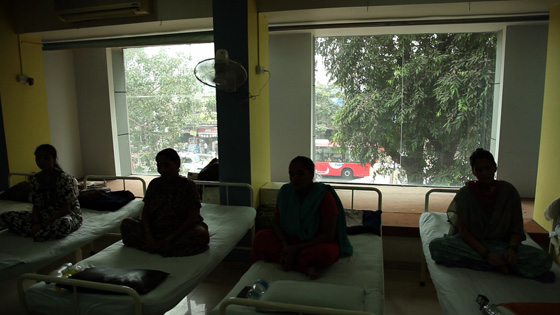

 From the